Ask Dr. IQ: Expert Crop Protection Advice Service for Growers and Agronomists
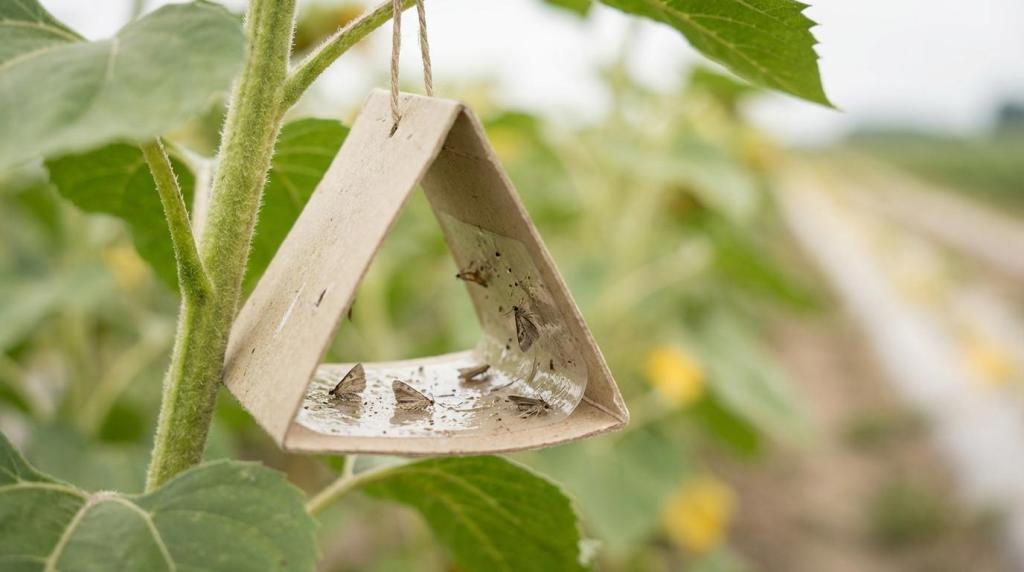
Crop protection decisions are rarely about a single product or a single field visit. They sit at the intersection of pest biology, crop stage, weather, resistance pressure, market requirements, and the practical reality of what can be applied safely and on time. A responsive advice service helps turn that complexity into clear next actions, without losing the rigour behind them.
Crop IQ Technology Ltd provides an online help desk designed for professional growers, agronomists, distributors and operational teams who need science-led guidance on pest and disease control, plant health, and sustainable programmes that reduce reliance on conventional chemistry.
A direct line to crop protection specialists
Ask Dr. IQ is an expert advice service available through Crop IQ’s website. You submit a question, describe the issue in your own words, and receive a practical response from a technical team focused on sustainable crop protection and data-informed agronomy.
This is not positioned as an automated chatbot. The intent is human support, backed by research capability and real field experience, so recommendations are rooted in agronomy and pest science rather than generic templates.
A short message can be enough to unblock a decision. A longer submission can support a full programme, including monitoring, prevention, and corrective actions.
What this advice service is designed to cover
The service supports growers and advisers working across arable, horticulture, protected crops, and wider agricultural systems in the UK and international markets. Questions often sit in one of three categories: identification, decision-making, and application protocol.
After you describe the issue, guidance can include integrated pest management options, product use protocols, monitoring approaches, and risk-reduction steps that fit sustainability goals and regulatory constraints.
Common topics include:
- Pest ID, pressure assessment, and intervention timing
- Pheromones and semiochemicals: lure selection, placement density, trap servicing, interpreting catch data
- Behavioural control strategies: push-pull tactics, mating disruption considerations, compatibility with other IPM tools
- Disease symptom triage and next diagnostic steps
- Pathogen and nematode management: biological options, hygiene and rotation pointers, programme structure
- Plant health and nutrition support around biostimulants and biofertilisers
- Application practicalities: water volumes, tank-mix checks, interval guidance, and on-farm handling
How the help desk works in practice
You access the Ask Dr. IQ section of the Crop IQ website and submit your question via the online form. Most users share basic contact details, location, crop, and a clear description of the problem they are seeing.
Your submission is reviewed by the technical team, who may clarify details by email or phone where that speeds up correct diagnosis and avoids wasted applications.
Responses are then delivered back to you, typically in writing or via a call, with a focus on actions you can take immediately and options for building a more resilient programme across the season.
What to include to get sharper answers
Good advice is built on good context. Even a few extra details can change the recommendation, especially where resistance, microclimate, or crop stage is driving outcomes.
Before you send your query, it helps to gather the essentials in one place:
- Crop, variety, and growth stage
- Field or glasshouse location and recent weather pattern
- What you are observing: symptoms, distribution in the crop, speed of spread
- Monitoring data: trap catches, scouting notes, hotspot maps
- What has already been done: products applied, rates, timings, water volume, adjuvants
- Constraints: harvest interval, beneficial insects present, residue requirements, worker entry timing
Photos are often useful. If the form you are using does not accept uploads, the team can usually suggest a simple way to share images after the initial submission.
Decision support grounded in evidence, not guesswork
Advice is strongest when it blends biology, product performance, and field signals. Crop IQ’s approach is science-led and sustainability-first, using tools and methods that support a One Health ethos: protecting crop output while being mindful of environmental and human health outcomes.
Depending on the situation, recommendations may draw on a combination of:
- semiochemical monitoring logic (what the catch pattern indicates, and what it does not)
- seasonal programme design, including early protection approaches where pest resistance is a concern
- biological control fit, including compatibility with beneficials and spray windows
- data sources that can support prioritisation, including satellite-derived crop stress patterns and on-farm sensor data when available
The aim is simple: target interventions better, reduce unnecessary inputs, and protect yield and quality with fewer surprises.
Where the service fits alongside your existing agronomy
Many professional farms already have trusted advisers. This service is designed to complement that structure, not replace it.
It can be used as a second opinion on diagnosis, a technical checkpoint on application protocol, or a way to pressure-test an IPM plan against resistance risk and monitoring results. It is also useful for agronomy teams supporting multiple sites who want consistent guidance across regions and crop types.
Support options at a glance
Different issues need different levels of interaction. A short protocol question may be resolved quickly, while a recurring pest problem benefits from monitoring and programme refinement.
| Support route | Best for | Typical outputs |
|---|---|---|
| Online submission | Clear questions, rapid triage, protocol checks | Written guidance, product use notes, monitoring suggestions |
| Email or phone follow-up | Complex symptoms, mixed pressures, time-sensitive calls | Clarifying questions, prioritised next steps, risk flags |
| One-to-one discussions at events | Planning programmes, reviewing season outcomes, distributor training | Programme structure, deployment plans, training points |
Response times can vary with complexity and seasonal demand. Where urgency is high, adding concise monitoring data and photos helps reduce back-and-forth.
Data protection and confidentiality
When you share farm and crop details, you need confidence that information is handled responsibly. Crop IQ references formal privacy and security practices intended to support GDPR and UK data protection expectations, including controlled access to customer data and secure handling processes.
If you are submitting information on behalf of clients, this clarity matters. It allows agronomy teams and distributors to request technical help while maintaining professional standards around confidentiality.
Product-backed advice, with technical support after sale
Ask Dr. IQ is closely connected to Crop IQ’s portfolio, including pheromone lures, behaviour-modifying controls, biological pathogen and nematode options, integrated biostimulant and biocontrol products, and plant nutrition inputs.
That connection brings a practical advantage: the advice is built to translate into correct use in the field, with attention to timing, deployment, and programme structure. It also supports after-sales technical guidance, so performance is not left to guesswork once a product is delivered.
Getting started
If you want crop protection advice that is structured, science-led, and ready to act on, the first step is simply to submit a clear question.
- Visit the Ask Dr. IQ section on the Crop IQ website and open the submission form.
- Add your contact details, location, crop, and a concise description of the issue.
- Include monitoring notes, recent applications, and photos if available, then send.
Where your goal is reduced chemical reliance without losing control, this kind of expert support helps bring discipline to decisions and confidence to programmes, from early season prevention through to harvest protection.