Technical Agronomy Support (After-Sales Guidance & Programme Optimisation)
Choosing a crop protection product is only one part of a successful programme. The bigger test comes later, when weather shifts, pest pressure changes, crop stages move quickly, or a first application needs refining in the field. That is where strong agronomy support makes a measurable difference.
Crop IQ Technology Ltd pairs product supply with practical technical guidance after sale, helping growers and advisers turn product choice into better day-to-day decisions. The focus is not limited to selling inputs. It is about helping each programme work properly in real farming conditions, with advice that is timely, evidence-led and shaped around the crop in front of you.
Support that continues after purchase
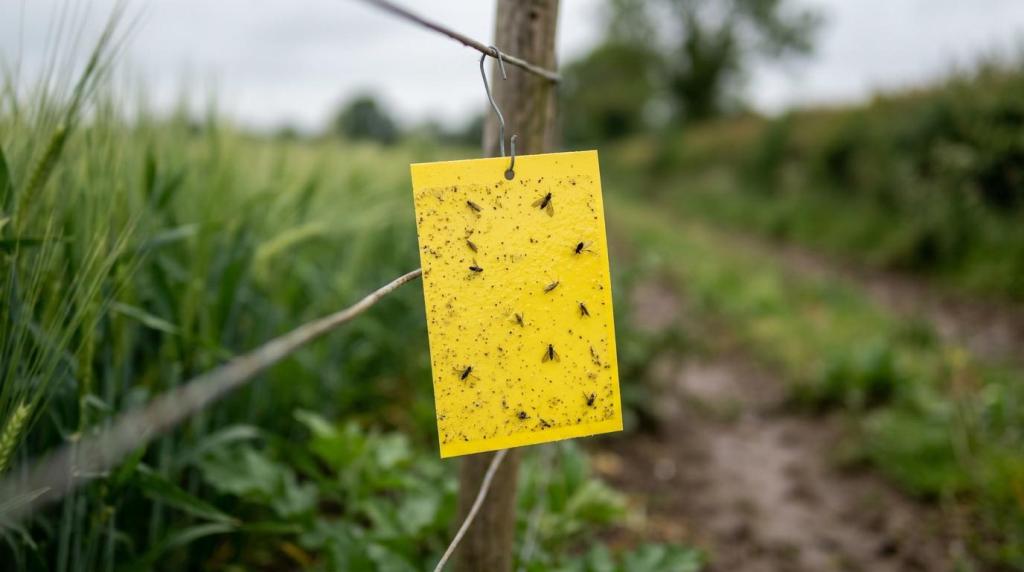
After-sales agronomy support is most valuable when conditions are less than perfect. A pheromone system may need closer monitoring at peak flight. A biological product may depend on timing, water volume, temperature, or tank-mix compatibility. A biostimulant may perform best when linked to crop stage, rooting condition and nutrient status. In each case, the product and the agronomy need to work together.
That is why technical support should remain active well beyond the point of delivery. Growers need access to field diagnostics, practical interpretation of symptoms, and clear advice on what to do next. This can include on-farm visits, remote consultation by phone or email, and supporting documents that help teams apply products correctly and with confidence.
When pressure builds quickly, speed matters.
What this service can include
For professional growers, distributors and farm businesses, agronomy support should be practical, responsive and linked to outcomes in the field. The aim is to reduce uncertainty and help each treatment or programme fit the season, the crop and the site.
Typical support can include:
- On-farm consultations
- Phone and email technical advice
- Product-use guidance
- Crop notes and technical bulletins
- Monitoring data review
- Follow-up after application
This kind of service is especially useful where crop protection sits within a wider strategy that may also include biostimulants, biofertilisers, semiochemicals, biocontrols and monitoring tools. Rather than treating each product as a separate item, the support approach looks at the whole programme and the best next step.
A practical, data-led approach
Modern agronomy support is at its strongest when field experience and live data are used together. Visual crop inspection still matters, but so do moisture readings, local weather patterns, satellite imagery, trap counts and crop stage records. When these signals are read together, advice becomes sharper and faster.
Crop IQ’s broader approach reflects this. Technical guidance may be supported by digital monitoring tools, field-level observations and crop intelligence systems that help identify stress earlier and respond with more confidence. That can mean spotting irrigation risk before wilting becomes visible, or adjusting a pest management plan when trap captures start moving.
Used well, remote support does not replace field agronomy. It strengthens it. It allows advice to continue between visits, keeps communication active, and gives growers a clearer line of sight on what is happening across the season.
| Support channel | How it is used | Value to the grower |
|---|---|---|
| In-field visits | Diagnose crop issues, assess pest pressure, review application practice | Site-specific advice and direct troubleshooting |
| Phone and email support | Respond to technical queries quickly | Fast answers when timing is tight |
| Digital platform and apps | Review field data, alerts and trends | Better day-to-day decision support |
| Technical bulletins and guides | Share protocols, product notes and good practice | More consistent application and programme use |
Programme optimisation, not just problem solving
Good support should not stop at answering questions. It should also improve the programme as the season develops. That may involve adjusting timings, refining dose strategy, linking treatments more closely to crop stage, or making better use of monitoring data so action is taken earlier.
In practice, programme optimisation means making support more precise and more efficient. A vegetable grower may need a different response pattern from a soft fruit producer. A dry site may need a very different timing strategy from a high-humidity location. The same product can require different guidance depending on crop, region, pressure level and target outcome.
A well-run optimisation process often focuses on a few key areas:
- Faster response: reducing the delay between a field query and a usable recommendation
- Sharper advice: tailoring programmes by crop, growth stage, local climate and pressure level
- Better resource use: improving the timing of water, nutrition and crop protection inputs
- Continuous feedback: using field outcomes to refine the next application or next season’s plan
This is where CRM records, advisory notes, repeat field observations and digital monitoring become especially valuable. They help technical teams spot patterns, prioritise urgent cases and keep recommendations consistent across farms and regions.
Tools that strengthen crop protection decisions
Technical support becomes far more powerful when it is connected to the right tools. Soil moisture probes can inform irrigation timing. Weather stations can help assess disease risk or application windows. Satellite imagery can flag uneven crop growth or hidden stress zones before they are obvious from the field edge.
Crop intelligence platforms also bring these data streams together. A grower or agronomist can review trends, compare zones, track alerts and decide whether a treatment plan needs changing. That makes support more proactive and less reliant on guesswork.
In pest management, intelligent trapping and semiochemical systems can add another layer of control. Monitoring data from lure-based systems can help confirm pressure, support timing decisions and reduce unnecessary intervention. Where mating disruption or behaviour-modifying approaches are used, follow-up agronomy guidance is often vital to get the best result from the programme.
The result is a more informed protection strategy.
Where technical support adds value in the field
The greatest value often appears in the moments where small changes make a large difference. A corrected spray interval can protect efficacy. Better placement of monitoring tools can improve pest visibility. A clearer reading of crop stress can prevent a biological or nutrition product being used under poor conditions.
Support is also useful when teams are adopting newer technologies. Semiochemicals, biocontrols and integrated plant health products can offer strong results, though they often depend on good planning and careful timing. With the right after-sales guidance, adoption becomes more confident and the learning curve is shorter.
Common areas where growers look for support include:
- Application practice: water volume, timing, compatibility and placement
- Pest and disease interpretation: deciding whether symptoms, trap counts or weather signals justify action
- Crop stress review: checking whether pressure is linked to nutrition, moisture, root activity or pathogen risk
- Programme adjustment: refining the sequence of products across the season
For distributors and agricultural enterprises, this also brings commercial value. Better technical follow-through can reduce misuse, support repeat performance, and build trust in the programme rather than in a single product line.
Built around real farming decisions
Agronomy support should feel useful from the first call or visit. It should help answer practical questions, narrow the options and move the crop forward with less hesitation. That applies whether the issue is orchard pest pressure, arable disease risk, vegetable nutrition, protected cropping stress, or post-harvest insect monitoring.
For growers who want crop protection backed by science-led advice, data-led monitoring and clear follow-up after sale, that kind of support creates more control across the season and a stronger basis for results.