Sustainable Crop Protection in the EU: How Farmers Are Reducing Chemical Dependency
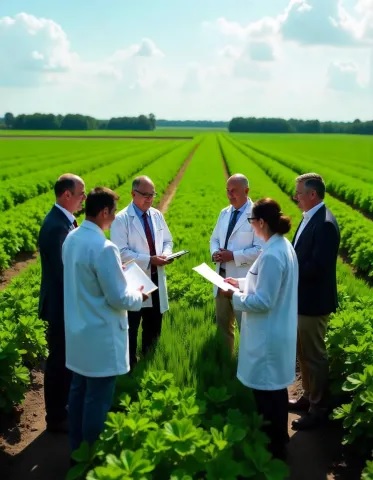
The pressure on the EU's agricultural industry is increasing to increase food production while preserving the environment. High returns should be balanced with biodiversity, soil health, and water quality protection. This is the place where innovative practice helps agriculture go towards long-lasting stability. Reducing chemical pesticide and fertilizer dependency is an important step in this journey.
Why Change Is Needed
Though chemical pesticides are necessary to protect the crops from pests, the extreme use of such chemicals is equally harmful. In many areas, the fertility of the soil has gone down, polluters have been affected, and water sources have shown signs of harmful residues. In addition, consumers quickly require cleaner and safer food.
The EU farmers have responded by using new equipment and strategies. This new process reduces chemical use without compromising crop production. It also focuses on natural solutions, accurate agriculture, and integrated insect management.
Taking Steps Towards Greener Farming
Farmers can now combine modern technology with traditional knowledge. In fact, it is one of the most effective ways to reduce chemical usage. For example, the use of sensors to detect pest infections. Thus, they can target specific areas instead of spraying the entire farm. Similarly, crop rotation and intercropping are back as natural methods to protect soil fertility.
The mix of digital innovation with age-old techniques has created a new farming system. This makes it both productive and environmentally responsible.
The Role of Sustainable Crop Protection
The major part of this transition involves the use of Sustainable Crop Protection methods. These approaches are less dependent on chemicals. Hence, they are more environmentally friendly techniques. Examples include organic insect controls such as favorable insects, organic soil, and application of disease-resistant crop variants etc.
The purpose is not to eliminate chemicals, but to reduce their dependence. By using natural alternatives and smart practices, farmers can get a healthy crop while protecting the environment for future generations.
The benefits of biobased solutions
Biabased products are new things in the EU’s agricultural market. These include natural pesticides made from plant and microbial derivatives, as well as soil amplifiers made of organic materials. They support soil microorganisms, which are important for nutrients, crop cycling, and healthy root development.
The Growing Use of Plant Growth Bio-Stimulants
In the EU, bio stimulants are used in crops such as cereals, vegetables, and fruits. They help farmers improve yield without much trust in synthetic chemicals. For example, the use of seaweed tracts or favorable fungi can promote root growth, making plants strong and more effective over nutrients.
Supporting Biodiversity and Soil Health
One of the greatest consequences of reducing chemical addiction is the resuscitation of biodiversity. Better soil health is another great advantage. Practices such as low brewing, tire crops, and biological modifications support earthworms and favorable microbes. These living organisms increase soil structure, water retention, and nutrient availability, which contribute to strong crops.
Changes to environmentally friendly agriculture are no longer an alternative-this is necessary. Farmers in the EU show that it is possible to reduce chemical addiction while maintaining healthy dividends. Through innovative techniques, bio-based products, and natural growth improvement, agriculture becomes more flexible and durable. If you want to detect modern solutions that protect both crops and the environment, Crop IQ Technology Ltd. has sustainable agritech expertise and equipment to help you succeed.