Pheromone Traps vs Chemical Sprays: What’s Best for Sustainable Pest Control in the UK?
Pest management is very important for farming in the UK, but old-fashioned techniques are becoming harder to use. More farmers are reconsidering how they deal with pests as rules become stricter and people become more concerned about the environment.
At Crop IQ, we advocate farming that is good for the environment. Pheromone-Based Pest Management and chemical sprays are two important topics in sustainable farming right now. Both have good and bad points, but only one is in line with long-term objectives for crop health and the environment.
What You Need to Know About Chemical Sprays
Chemical insecticides are man-made remedies that eliminate bugs right away. For decades, they have been extensively employed and are now a big element of crop protection plans.
Benefits of chemical sprays
- Results that happen quickly
- Simple to use in big areas
- Aim at a broad spectrum of bugs
- Disadvantages of chemical sprays
- Can harm helpful bugs and pollinators
- It could make pesticides less effective
- Leaves leave a residue on crops and in the soil
- It is bad for people's health and water supplies
A lot of farmers are also realizing that chemical sprays don't work as well when they are used over and over again, particularly when pests get resistant.
What Are Pheromone Traps?
Pheromone-based pest management employs insect sex pheromones to keep an eye on or suppress pest populations. These traps don't kill all pests, but they do attract some bugs, which messes with their mating cycle and lowers the number of babies they have.
The benefits of pheromone traps
- Safe for people and the environment
- Aim for certain pests without harming other kinds
- No toxic residue left on crops
- Helps with plans for integrated pest control (IPM)
Pheromone traps are used in the UK to catch pests including codling moths, carrot flies, and other kinds of beetles. They are a wise and long-lasting choice, particularly for fruits, vegetables, and crops that need protection.
What Biological Control Does
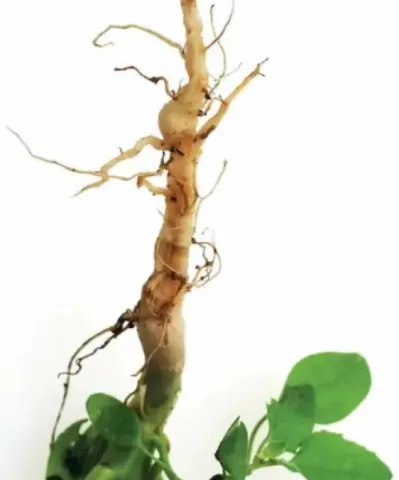
Traps are only the beginning of sustainable pest control. Another natural way that is becoming more popular in the UK is to manage Nematode And Pathogen Control. Beneficial nematodes and microbes kill pests in the soil without harming the ecology. They work, are harmless, and help keep pests away for a long time.
This method works well with systems that use pheromones. They work together to make farming less dependent on pesticides and more healthy and strong.
So, what do you think is best for you?
Pheromone-based pest control is a better option if you want to keep your crops safe and healthy for a long time.
Chemical sprays may work quickly, but they might be bad for the environment and hard to follow the rules. On the other side, pheromone traps are clean, accurate, and fit better with the future of farming in the UK.
Pheromone systems may greatly lower pest pressure while keeping good organisms in your soil and environment safe when used with nematode and pathogen management.
Final Thoughts
To farm sustainably, you have to think about more than just short-term profits. Crop IQ is dedicated to helping farmers switch to pest management methods that are safer, smarter, and better for the environment.
Check out our selection of pheromone traps, biological controls, and IPM instruments that are made for farming in the UK today.
Choose accuracy. Pick protection. Pick Crop IQ.